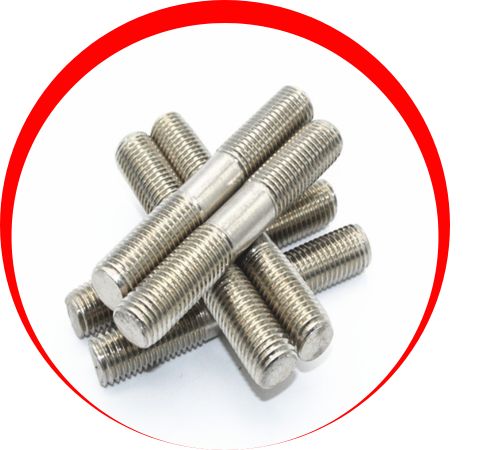
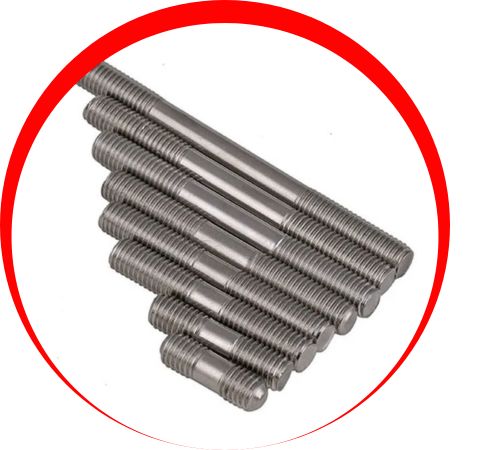
Wai Nickel Alloys is a reputable manufacturer and supplier located in Naypyidaw, Myanmar, specializing in high-quality Titanium Stud Bolts that are built for exceptional strength, corrosion resistance, and long-lasting durability. The company employs cutting-edge technology and precision engineering to create stud bolts that adhere to international standards and excel in challenging environments. With a strong emphasis on quality and dependability, Wai Nickel Alloys has established itself as a go-to source for titanium fasteners across various industries. Their Titanium Stud Bolts come in a range of grades, sizes, and specifications to cater to a wide array of industrial needs.
These Titanium Stud Bolts are primarily made of titanium (≥99.2%), with small amounts of elements like iron, oxygen, carbon, nitrogen, and hydrogen added to enhance their strength and resistance to corrosion. They boast a tensile strength ranging from 240 to 550 MPa, a yield strength of about 275 MPa, and impressive ductility with an elongation of roughly 20%. With a low density of 4.51 g/cm³ and a melting point of 1660°C, they also offer remarkable resistance to oxidation and chemical attacks, making them ideal for high-temperature and corrosive settings.
| Material | Specification | Standards | Size | Length |
Titanium
| IS BS ASTM | ASTM B348 | M10 | upto 5 Meters |
At Wai Nickel Alloys, we take pride in being the largest supplier, exporter, and manufacturer of Titanium Stud Bolts in Naypyidaw, Myanmar, providing cutting-edge solutions for all your piping needs. Our state-of-the-art production plants are strategically located in the Myanmar, allowing us to maintain a vast inventory of over 16,000 tons of premium-quality materials readily available in stock. We are dedicated to delivering superior products and services, ensuring reliability and excellence for our global clientele.
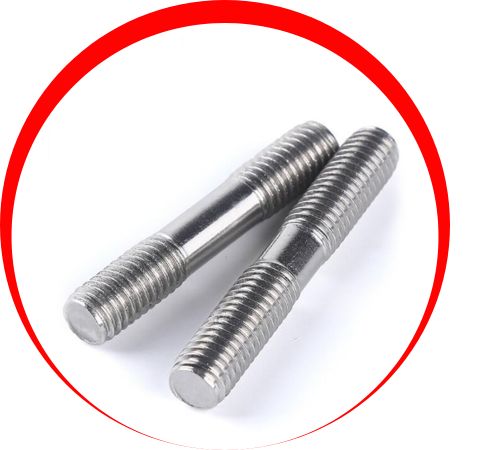
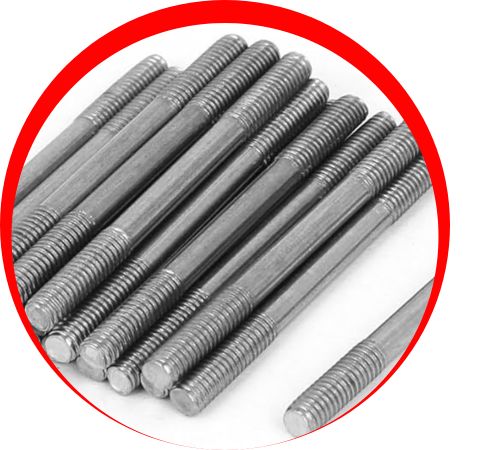
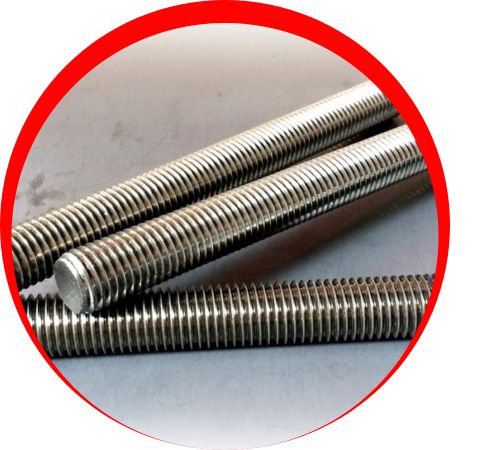
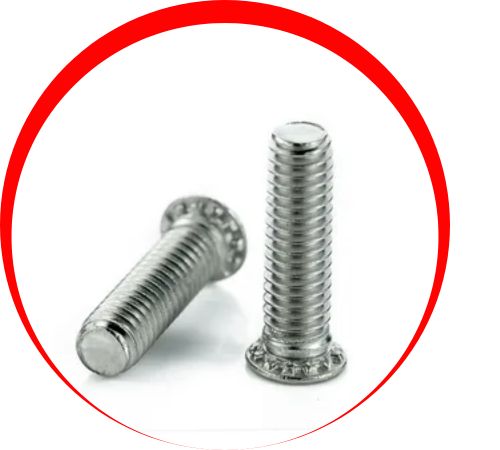
Contact us to get a quick quote for your requirement.
Titanium Stud Bolts find extensive use in sectors such as aerospace, marine, chemical processing, oil and gas, and power generation. In the aerospace field, they are essential for aircraft structures and engine components due to their lightweight and robust nature. The marine industry relies on them for shipbuilding, desalination plants, and offshore platforms, thanks to their ability to withstand corrosion in seawater. In the chemical and oil industries, they are crucial for securing equipment and piping that come into contact with harsh chemicals. Moreover, their non-magnetic and biocompatible properties make them highly sought after in medical and electronic applications.